

In the year to June 30, our biosecurity expenditure was just over $20 million and in the current financial year, we expect that for every $1 of council income, we will spend 19.27 cents on biosecurity.
Because of our position at the top of the country, Northland is often the first region in New Zealand exposed to new pests, so our climate advantages come with biosecurity challenges. Climate change is already adding new issues for us, so NRC needs to be more vigilant than other councils in detecting and managing new pests.
And we do all of this very well, leading New Zealand in many areas. We are fortunate to not have bovine Tb and many other invasive organisms and it is vital to our economy and environment that we remain free of these pests. Many Northlanders understand the need for biosecurity programmes and ratepayers support the funding necessary to maintain them, but when biosecurity is successful, it is often invisible to others.
It is the pest that does not spread, the infestation found early, and the local environment that continues to thrive because people acted before the problem got away.
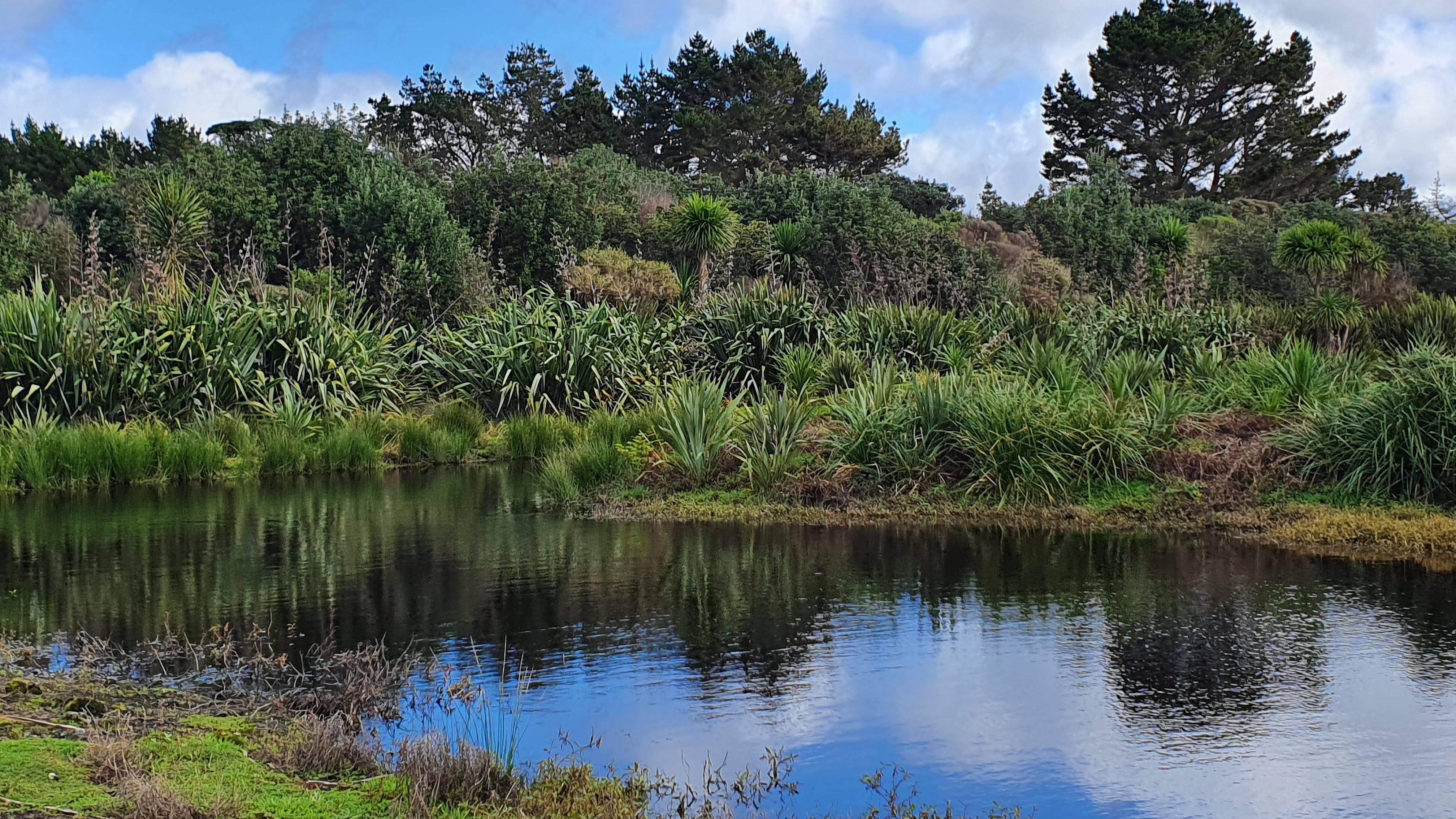
Our biosecurity programmes protect farms, native and production forests, beaches, rivers, lakes and dunelands. Whilst most effort is expended on existing pests like possums, rats, mustelids and a wide range of weeds, we also do a lot of preventative work in keeping pests out of Northland for example the invasive freshwater clam, rooks, turtles, lizards, parrots and a few very nasty weeds. Other programmes eradicate pests found in very low numbers here including deer and some other weeds. These programmes deliver outstanding returns on investment and have a proven track record of success.
We also have programmes that contain pests to specific areas to prevent their spread across the region including Manchurian wild rice, lantana and goats. In addition, we have other measures to prevent spread of pests, for example rules for sale and distribution, kauri protection, etc.
The national picture
An independent review of regional council expenditure on biosecurity recently established that the regional ratepayers of New Zealand collectively pay $111m annually (with the Government contributing $31m) to protect over $34billion of primary production alone. This is not counting the biodiversity, human health and lifestyle benefits of biosecurity programmes. The overall return on investment was calculated at $22 for every $1 spent over 10 years, rising to $128 per $1 spent over 50 years. The cost of a major disruption to current programmes has been calculated at between $1B and $3.2B. This investment is, quite simply, very cheap insurance.
What makes us special?
Northland is not a wealthy region, so we need to find inventive means to sustain our biosecurity programmes. We do this primarily by resourcing communities to do most of regular pest control work, rather than simply hiring contractors to do it. We form partnerships with hapū , landowner groups, lifestylers and schools, and have probably New Zealand’s greatest community participation rate in pest control work. This approach has the added advantage of making participants more interested in programme outcomes. Everywhere we find people monitoring pest indices, wildlife recovery and better control methods. Biosecurity is a whole-of-community issue.
One particular area of success for NRC is our marine biosecurity programme. Our team inspects more than 2000 vessels every year and uses vessel movement data to keep serious marine pests out of our most pristine harbours. We have also led New Zealand in tackling exotic Caulerpa and have eradicated many small infestations of this significant threat
Another area of significant progress is our dune lakes programme, managed with our Biodiversity team. This work often flies under the radar, but key lakes have had pest fish and weeds completely eradicated. Our dune lakes are unique on the planet and their protection is a paramount objective.
We are the only region in New Zealand that is eradicating feral deer and we are close to achieving this ambitious objective. This will both protect biodiversity values and remove a potential Tb vector.
In conclusion, we must accept that new challenges arise every year and we all need to be vigilant in reporting unusual plants, insects and animals or disease symptoms. If we find them early enough, we can often eradicate them. A good example of this has been the several regional incursions of fruit fly which were successfully eradicated. We can win most of these battles.
Jack Craw is Chair of Northland Regional Council’s Biosecurity & Biodiversity Working Party. He has worked in the biosecurity field for 46 years in both New Zealand and the Pacific, including a stint as Manager Biosecurity at Auckland Council.

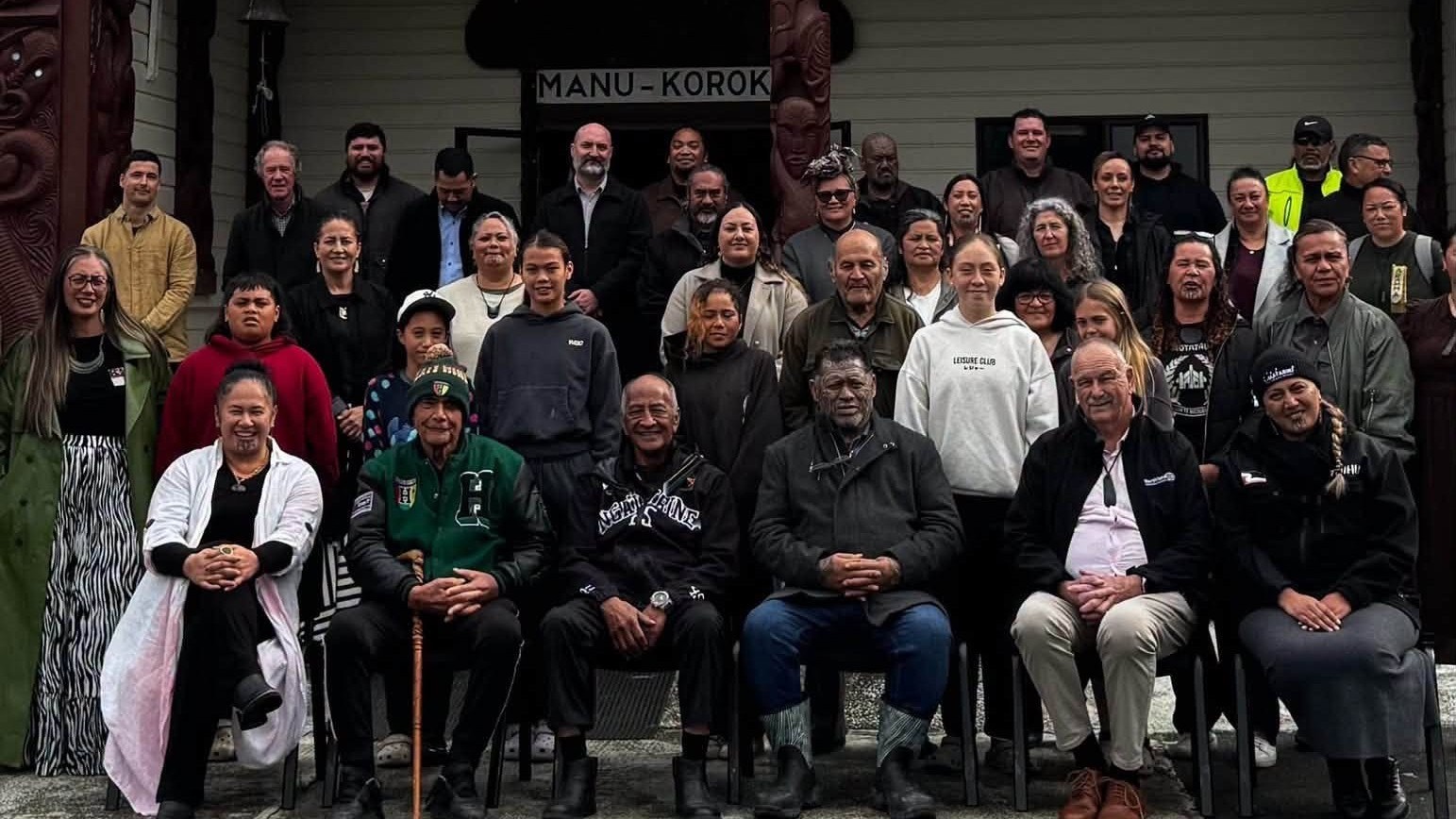
Northland's pest control success relies on strong partnerships between hapū, landowners, community groups, schools and volunteers.