


Madagascar ragwort – A major threat to pastoral farming
Madagascar ragwort (Senecio madagascariensis) is a pasture weed that is rapidly spreading in Northland. It is likely to become the most serious threat to pastoral farming in New Zealand.
Prevention, early detection and intervention is the best way to protect your farm or lifestyle block and reduce the impact of Madagascar ragwort on your farm and your neighbours.
There are several factors that make Madagascar ragwort a much more significant threat than other pasture weeds.
- Major impact on pasture: Stock avoid grazing near it, creating a ‘shadow effect’. This enables Madagascar ragwort to spread further and increases pasture loss. There are documented declines in production of 35% and losses of more than $500 per hectare annually.
- Dangerous to stock: It’s poisonous – and can be fatal – to stock, remaining toxic even in hay or silage, with no treatment available for affected animals.
- Establishes easily and rapidly: A single adult plant can produce 10,000 seeds within six weeks of germination. It can germinate all year round following warm rain events. Seeds drop relatively close to the parent plant however they can be blown long distances by wind.
- Difficult and costly to control: There is no single approach that effectively controls Madagascar ragwort at all life stages without damaging beneficial pasture species. A combination of pasture improvement and management, plus repeated and carefully timed intensive herbicide controls, over multiple seasons, are usually required to bring established infestations under control.
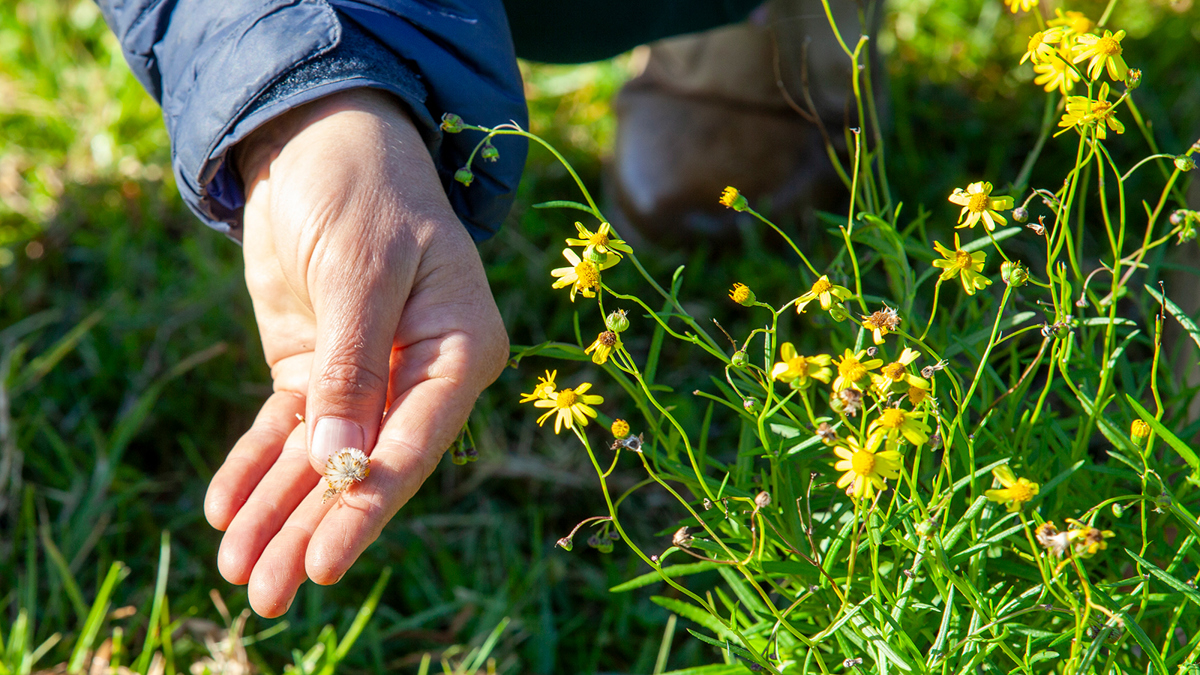
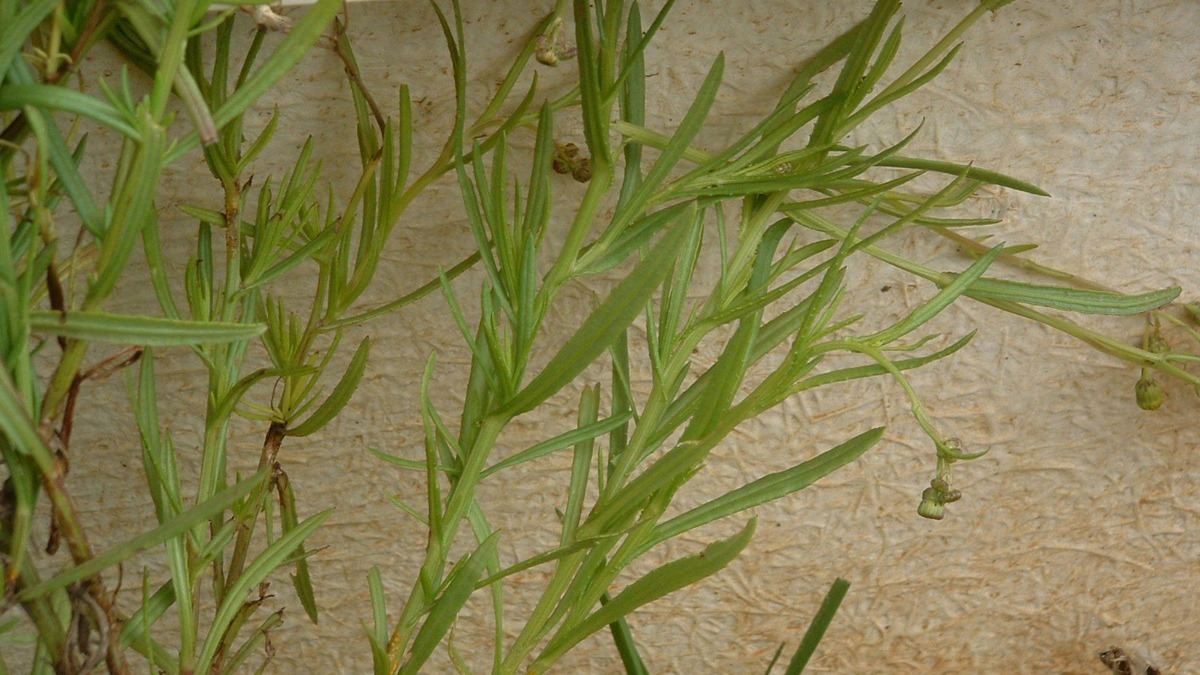
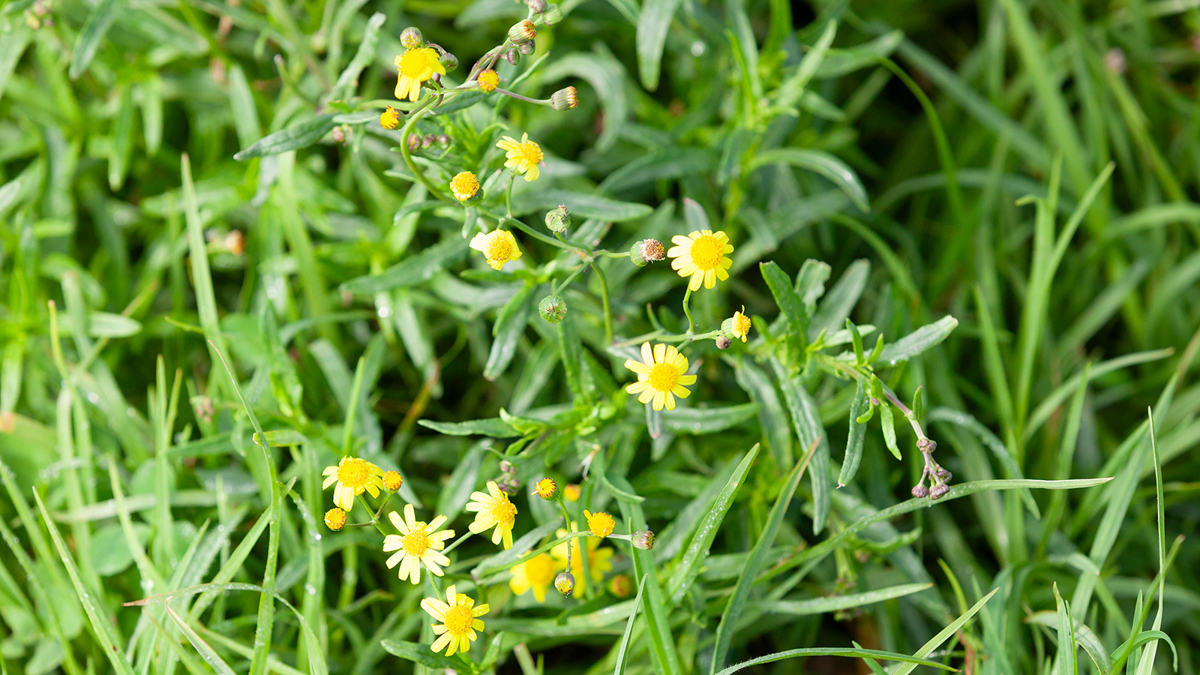
It has yellow, daisy-type flowers (1-2cm diameter), which can be present year-round, but are most common in autumn and spring. Leaf size and shape varies but are usually narrow (2–7 cm), with finely toothed edges.
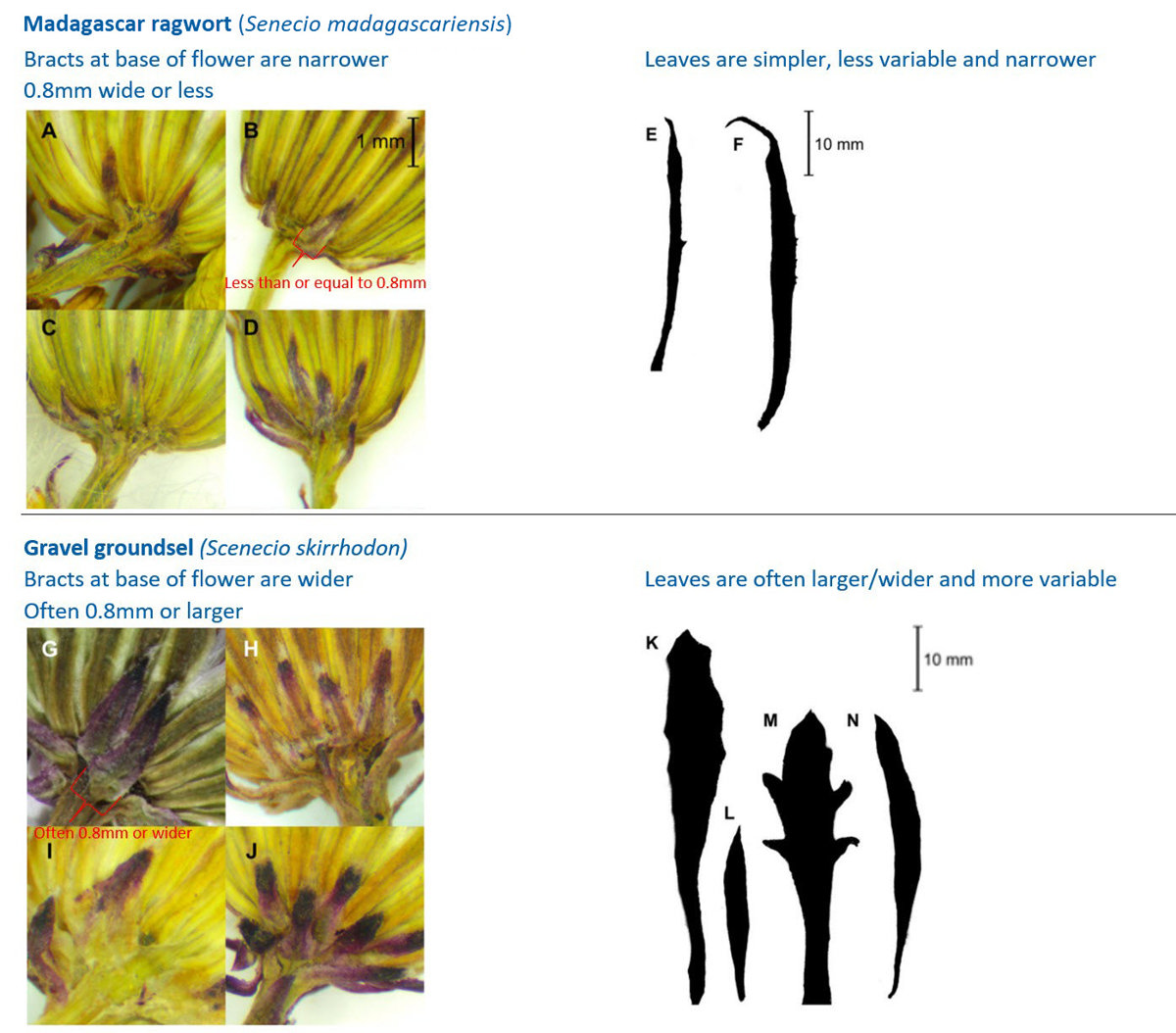
Madagascar ragwort can look identical to gravel groundsel (Senecio skirrhodon), however gravel groundsel is more restricted to roadsides, gravelly/sandy areas and other disturbed sites. If it is growing in pasture it is much more likely to be Madagascar ragwort.
Check out the Madagascar ragwort Pest Control Hub page for further photos and a guide to distinguishing it from gravel groundsel.
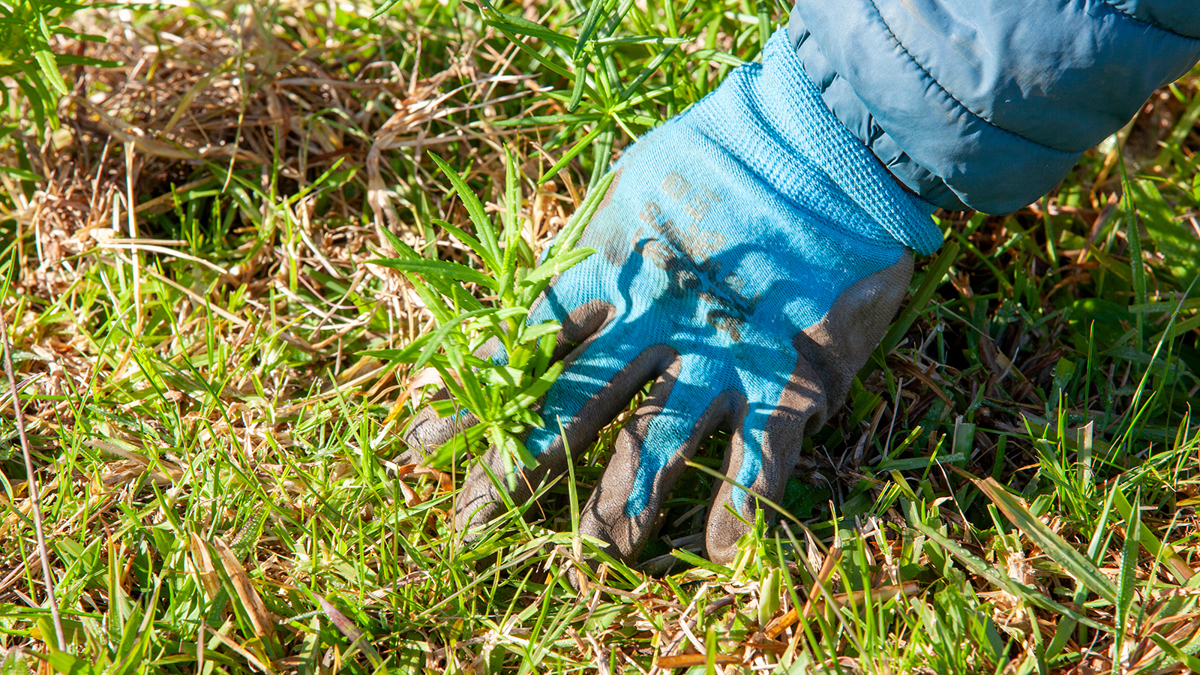
 Juvenile Madagascar ragwort plant
 Madagascar ragwort leaves and stems
 Madagascar ragwort (close-up) growing in pasture
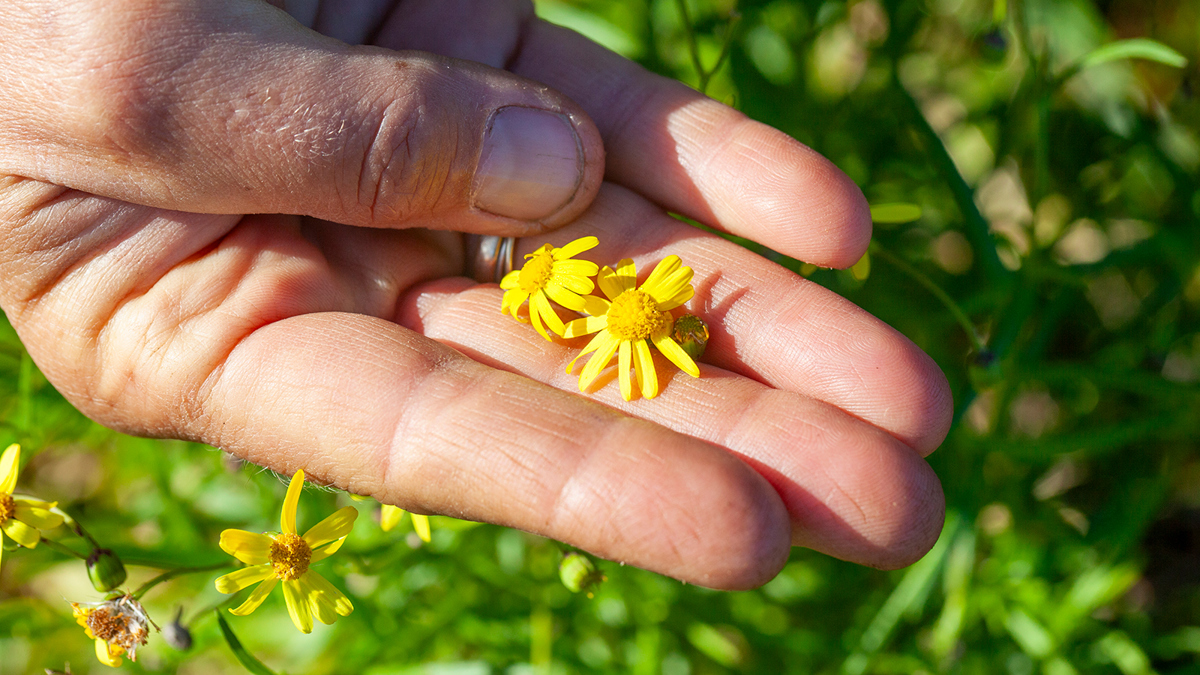
 Madagascar Ragwort flowers held between fingers
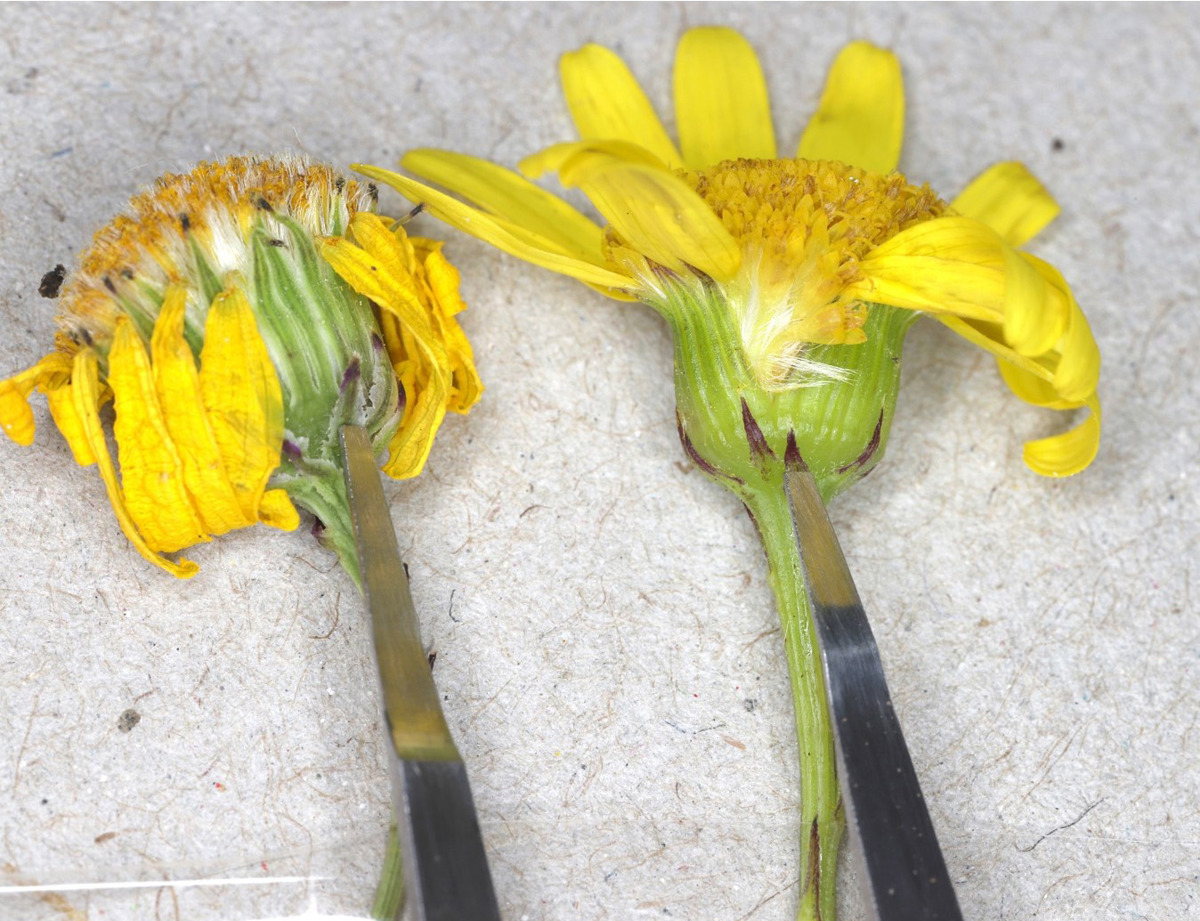
 Gravel groundsel (Senecio skirrhodon) (left), with bracts wider than the 0.8mm wide metal tool. Madagascar ragwort (Senecio madagascariensis) (right) with bracts the same width or smaller than the 0.8mm wide metal tool.
 How to identify Madagascar ragwort (Senecio madagascariensis) (top) compared to gravel groundsel (Senecio skirrhodon) (bottom)
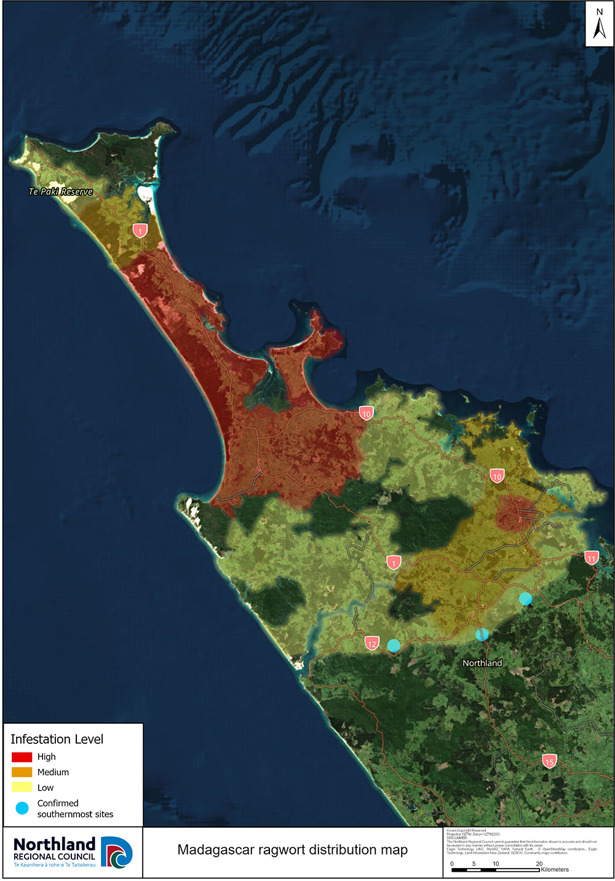
Madagascar ragwort is currently widespread in the far north and is spreading rapidly in the mid-north. The current southern edge for confirmed infestations is Pakaraka, Kaikohe and Waima in the Hokianga.
Its distribution is likely to be significantly underestimated. As Madagascar ragwort looks identical to the widespread weed gravel groundsel (Senecio skirrhodon), early invasions into new areas are more likely to go unnoticed.
Evidence from overseas and climate modelling indicate that most of the North Island would be vulnerable to invasion, as well as large areas of the South Island.
While the weed is wind dispersed, most seed is likely to drop relatively close to the parent plant, though long-range dispersal (>1 km) can occur. Of more concern is the potential for long-range dispersal facilitated by people. The seed is small and light and is easily spread in contaminated fodder products, by stock movements, on/in vehicles and farm and forestry machinery, and on contaminated clothing and equipment. This type of ‘jump’ dispersal can significantly increase the rate of spread and invasion into new areas and regions.
Madagascar ragwort distribution in Northland
Farm biosecurity and early detection and control are the best ways to protect your place from Madagascar ragwort.
Follow good farm biosecurity practices:
- Source hay, baleage and other fodder products from unaffected areas.
- Ensure any equipment, machinery or vehicles coming on to your property are free of soil, seeds and vegetation. Establish a dedicated wash down area.
- Keep new stock in a quarantine paddock near the yards for the first 24 hours. Avoid moving stock from affected areas.
- Use reliable contractors and ask about their weed hygiene practices, and whether they have recently been on an affected property.
Be vigilant:
- Investigate any unknown yellow-flowering daisy like plant in or near pasture and confirm its identification.
- Undertake extra checks on paddocks where contractors/machinery have been working.
- Ensure everyone on the farm knows what to look out for.
Spread the word:
Help make others in your community aware of Madagascar ragwort so they can avoid accidentally importing it and can be vigilant and take early action if required.
The scale of this issue requires a coordinated, joint approach between central government, regional councils, and industry. With the support of DairyNZ, Beef + Lamb New Zealand, and Pāmu Farms, an economic impact assessment and position paper were developed that outline the potential economic impact of Madagascar ragwort, and priorities and potential approach for its long-term management.
There is currently no ‘silver bullet’ for controlling this weed. Council has commissioned two research reports that outline the next steps for biological control research and agrichemical control and pasture management, and we are seeking support to progress these:
In Northland, you can find control information on our Madagascar ragwort Pest Control Hub page.
Early identification and consistent, well-timed control are key to preventing a serious infestation and seedbank from developing.
Make sure contractors and other visitors are aware of its presence and don’t move hay and other fodder products or equipment off the farm that could be contaminated with seed.
If you are outside of Northland and you suspect you have seen it, please contact your Regional Council Biosecurity team.
If you think you have seen it south of Pakaraka, Kaikohe and Waima in the Hokianga, call us on 0800 002 004 or email info@nrc.govt.nz
Outside of Northland, if you think you have seen it please report any potential sites to your Regional Council Biosecurity team.