


Exotic Caulerpa
Exotic Caulerpa (Caulerpa brachypus and Caulerpa parvifolia) is an invasive seaweed that poses a threat to Northland's marine ecosystems, cultural values, recreational activities, and fisheries.
It has been found in Northland waters, including the Bay of Islands and Whangārei Harbour. Northland Regional Council works alongside Biosecurity New Zealand, mana whenua, local communities and marine users to help prevent its spread and support surveillance and response efforts.

Know when to report: If you think you have found exotic Caulerpa outside of the known areas:
- Take a photo of it.
- Record the location.
- Report it to MPI on Freephone: 0800 80 99 66 or via the online form: report.mpi.govt.nz
Exotic Caulerpa has been detected at locations in Northland, including the Bay of Islands and Whangārei Harbour.
Surveillance and monitoring continue across affected areas to understand the extent of infestations and identify any new occurrences.
As new information becomes available, response measures may change and additional management actions may be required.
Interactive map
An interactive map with the most recent known exotic Caulerpa locations is available at the Marine Pests New Zealand website. It's for anyone interested in knowing where surveillance has occurred and whether exotic Caulerpa is present or not.
Visit the Marine Pests New Zealand website to view the interactive map
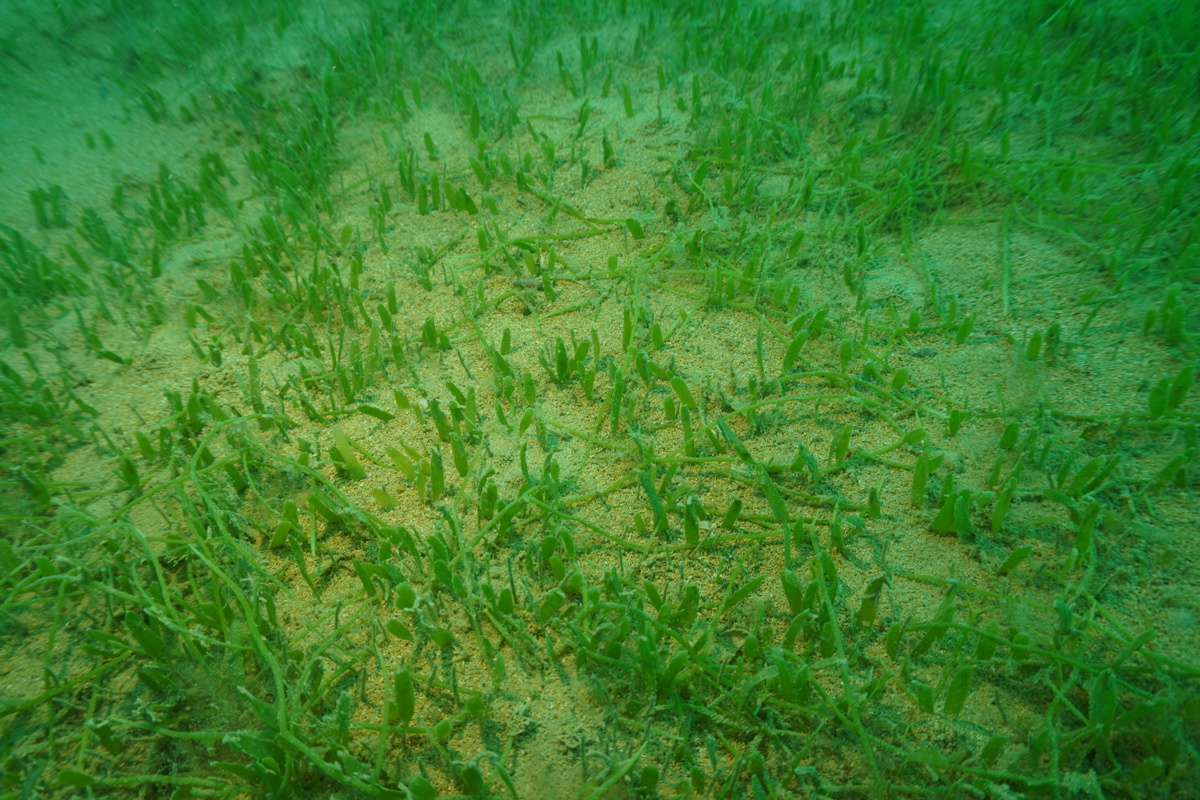
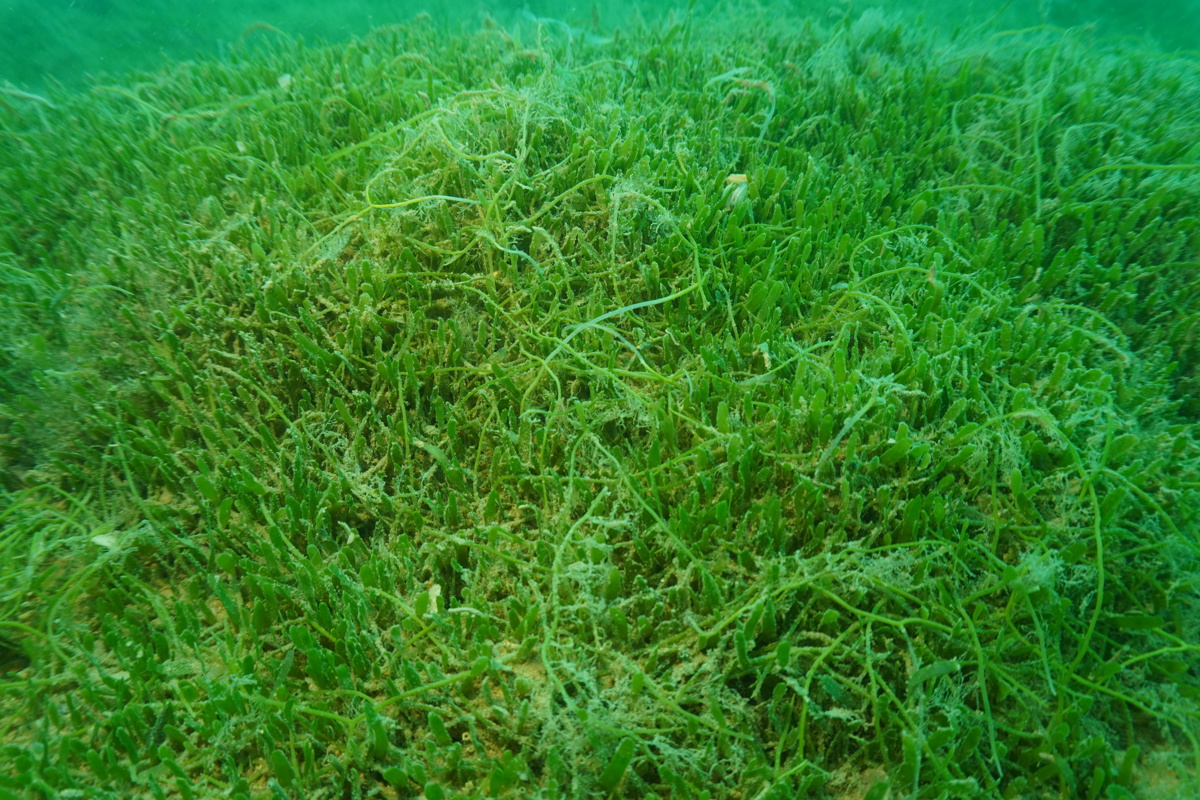
Exotic Caulerpa has bright green vertical fronds that are shaped like oar blades. These fronds grow up to 10cm long and rise from horizontal runners or roots known as stolons.
It can be found growing below the tideline (from between 2 to 30 metres deep) on both hard surfaces and sandy areas.
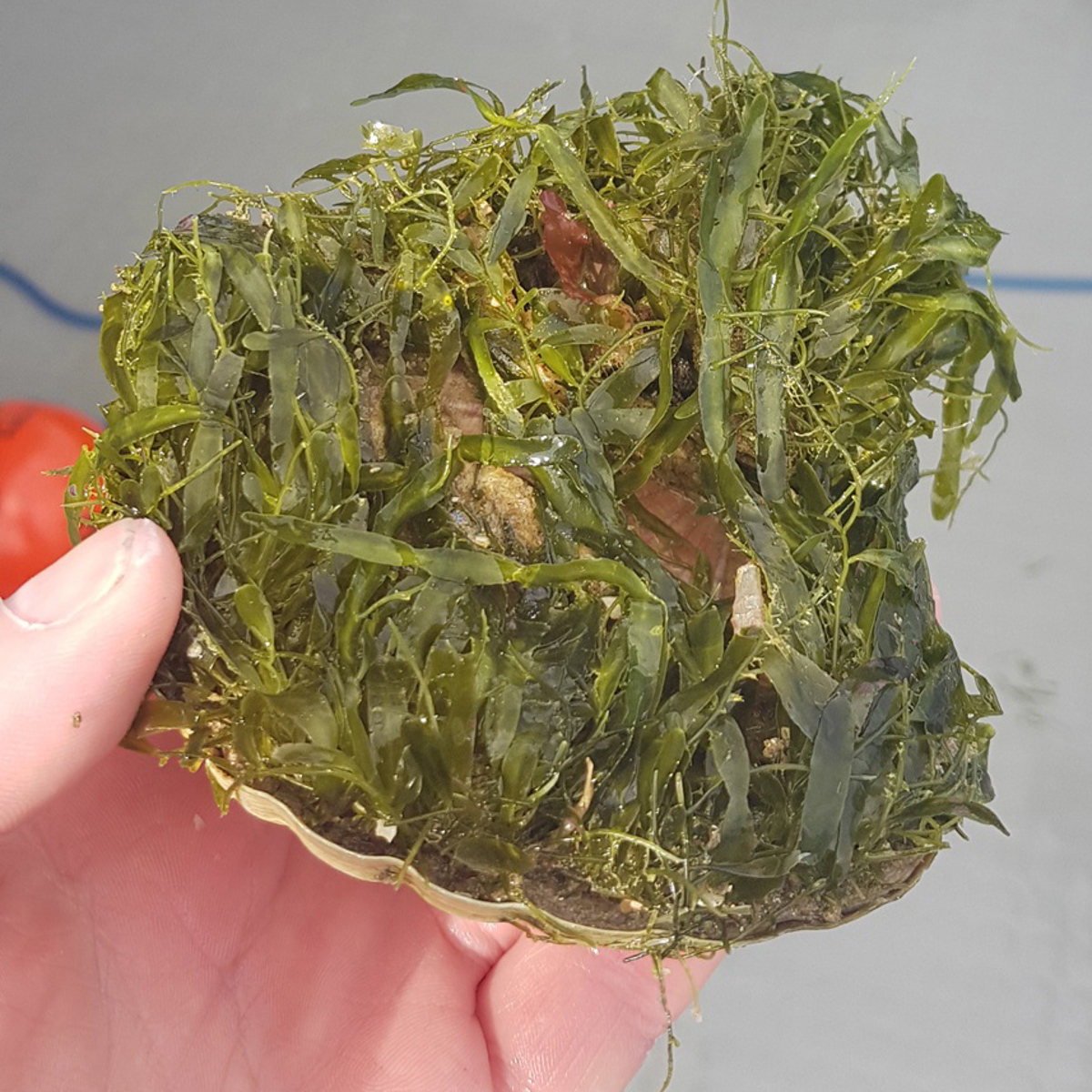 Exotic Caulerpa in the Bay of Islands.
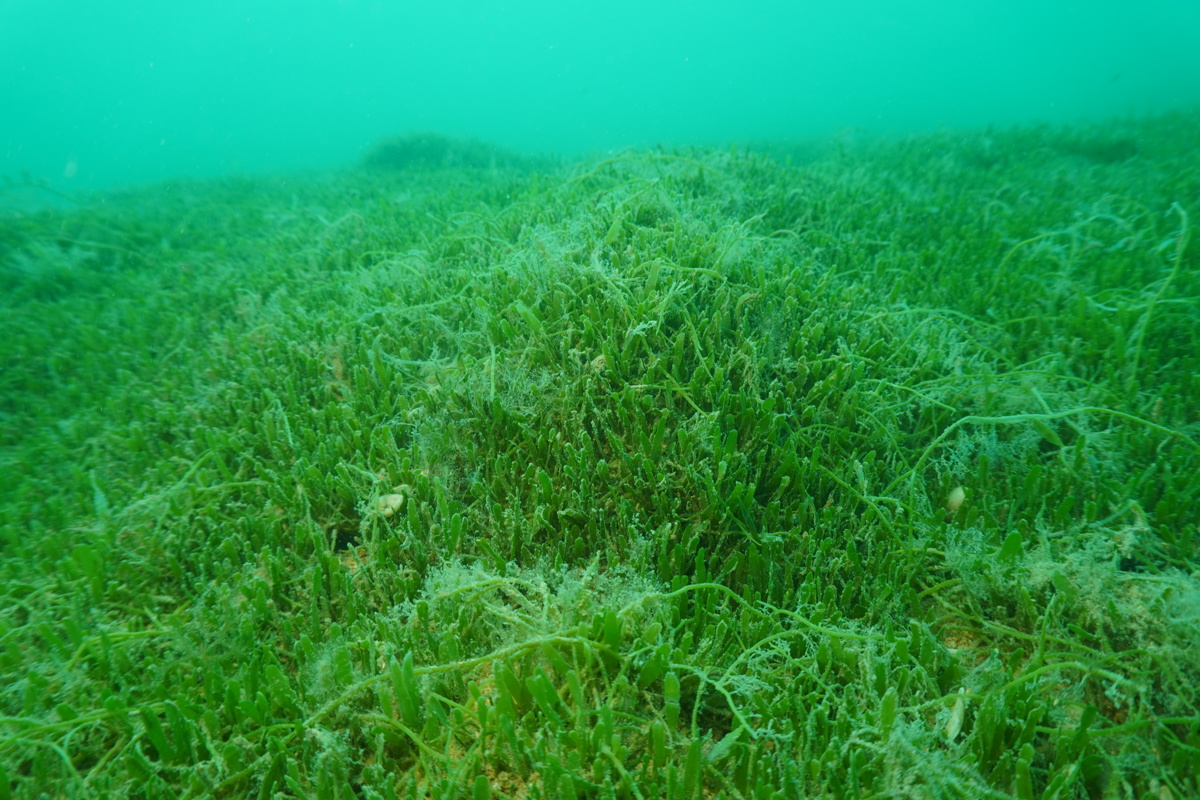 Exotic Caulerpa. (Photo credit: NIWA).
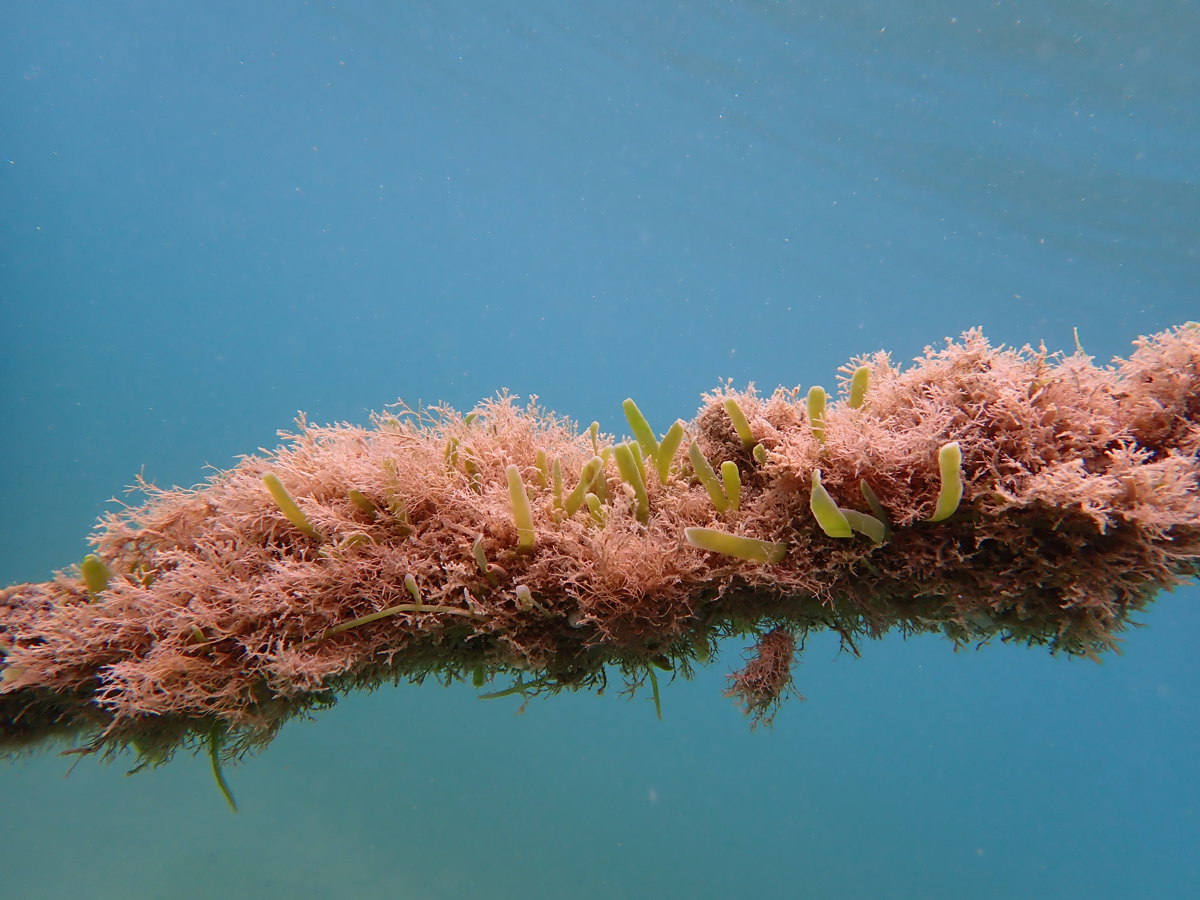
 Exotic Caulerpa growing on mooring line.
 Exotic Caulerpa in the Bay of Islands.
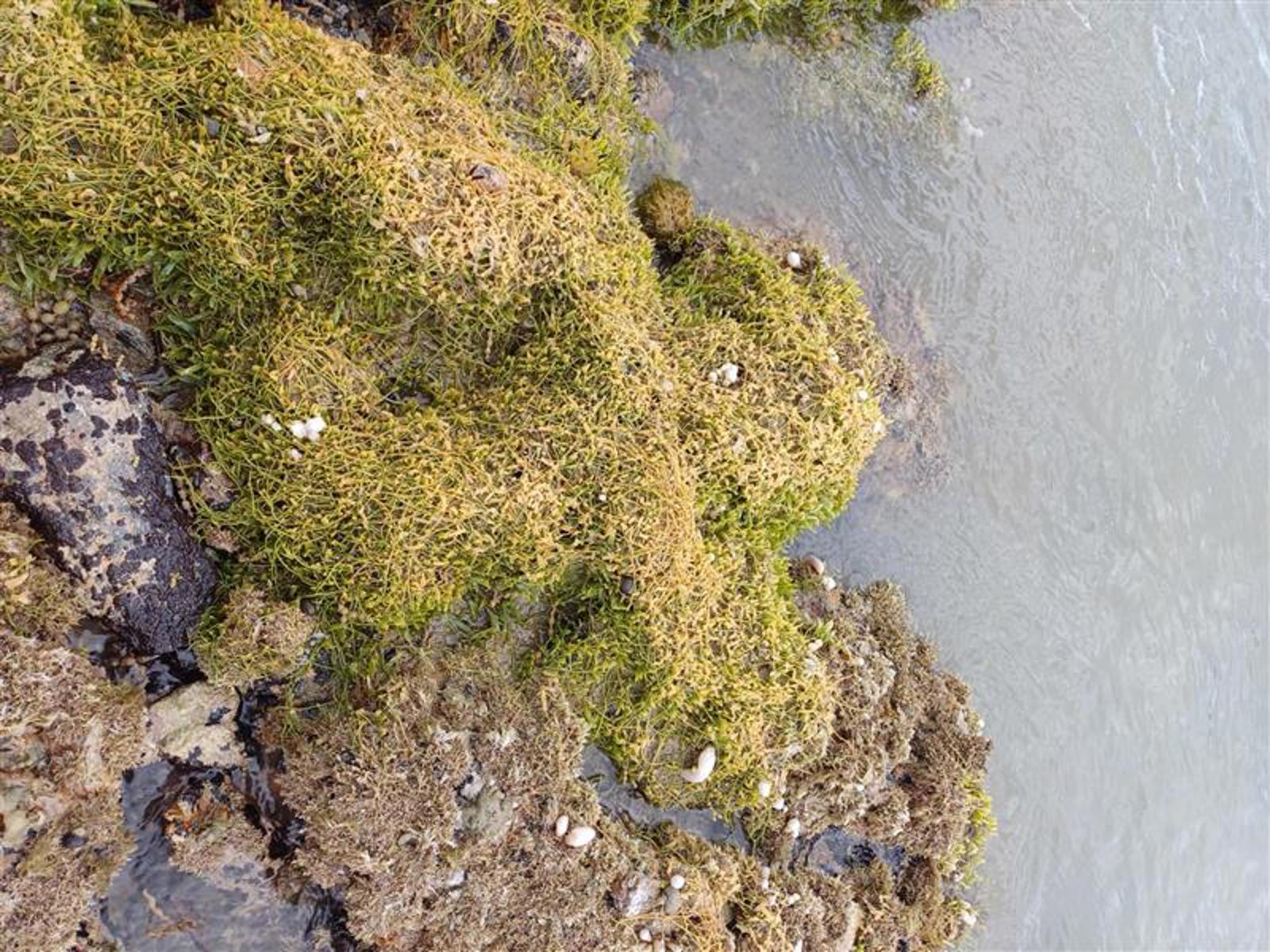
 Exotic Caulerpa exposed at low tide in intertidal.
 Exotic Caulerpa in the Bay of Islands.
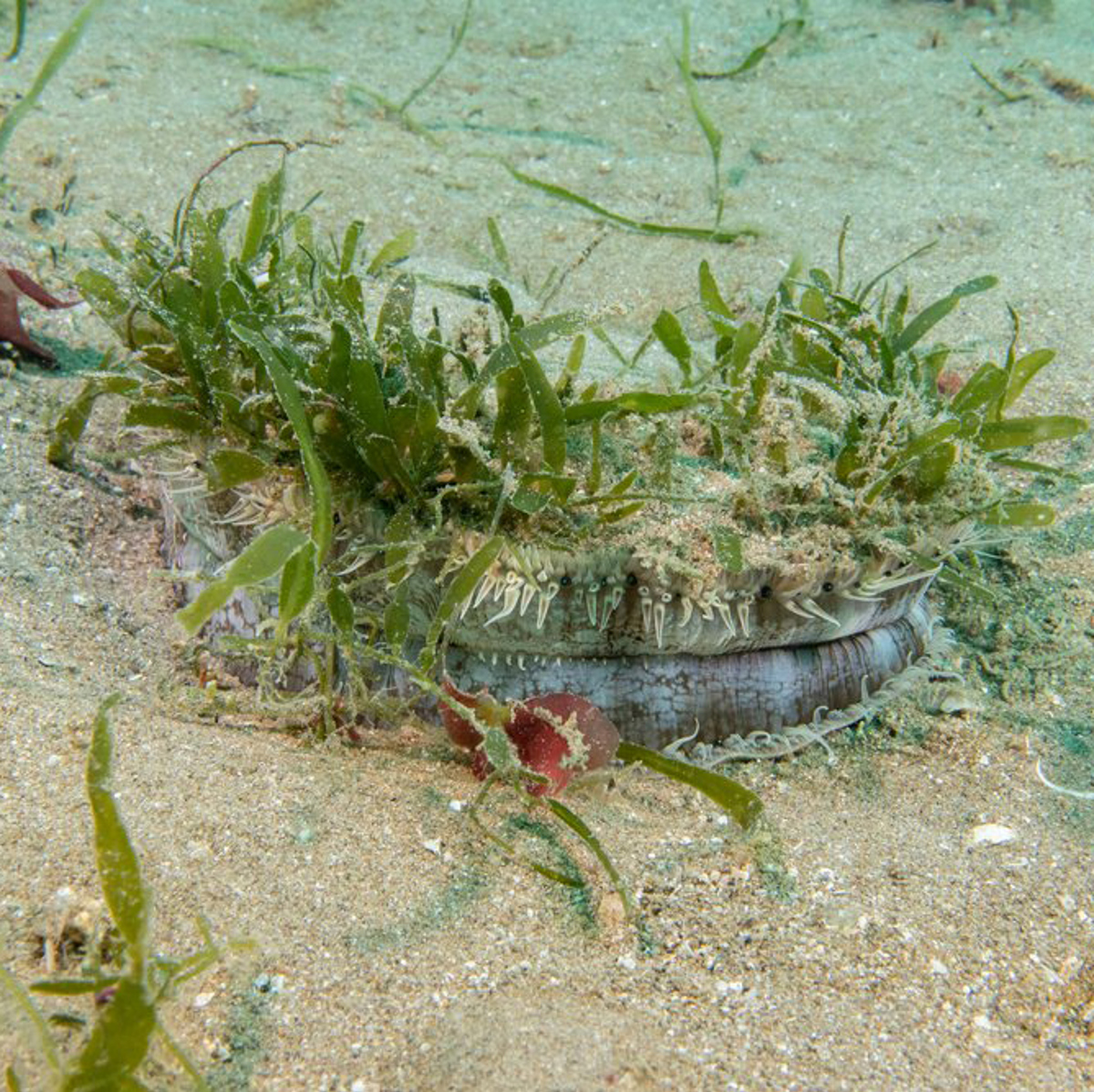
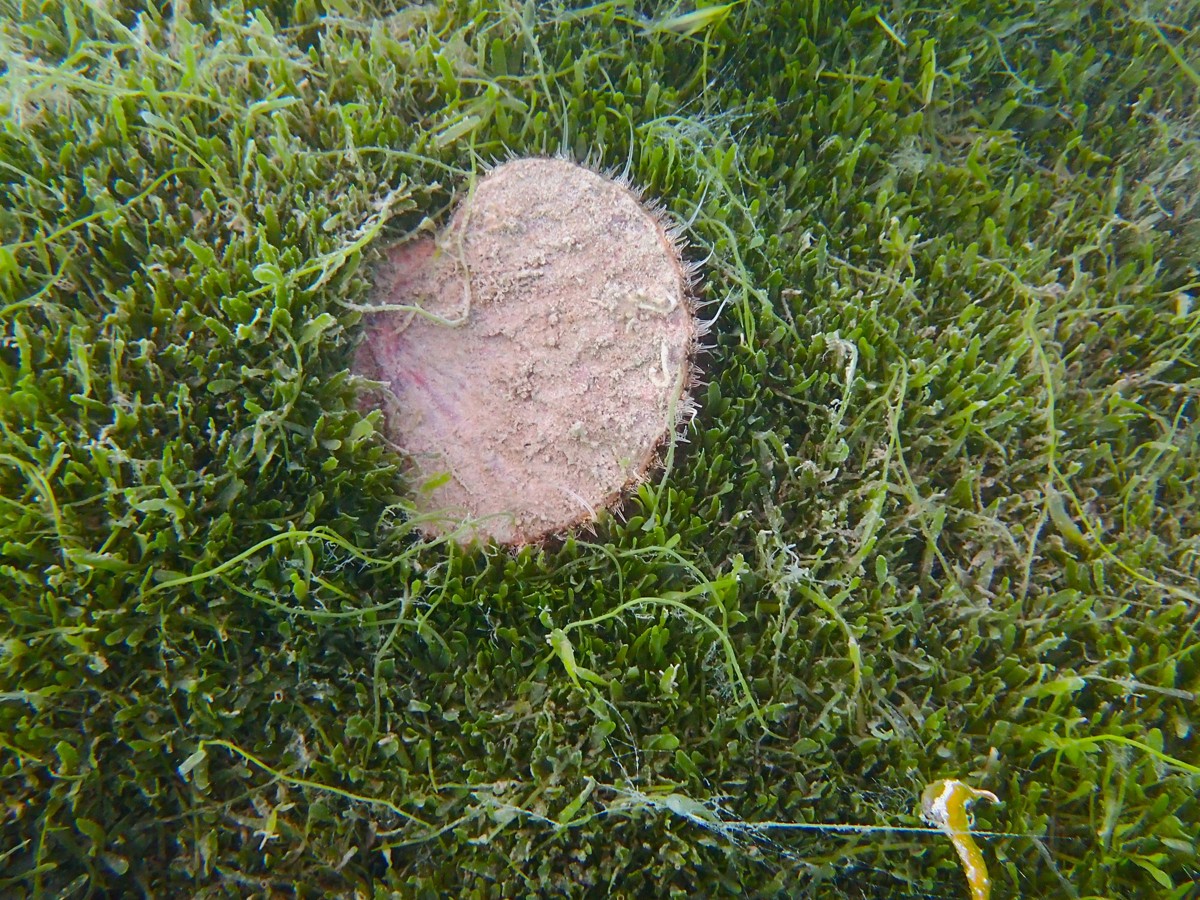
 A scallop sitting on exotic Caulerpa.
 Low density exotic Caulerpa.
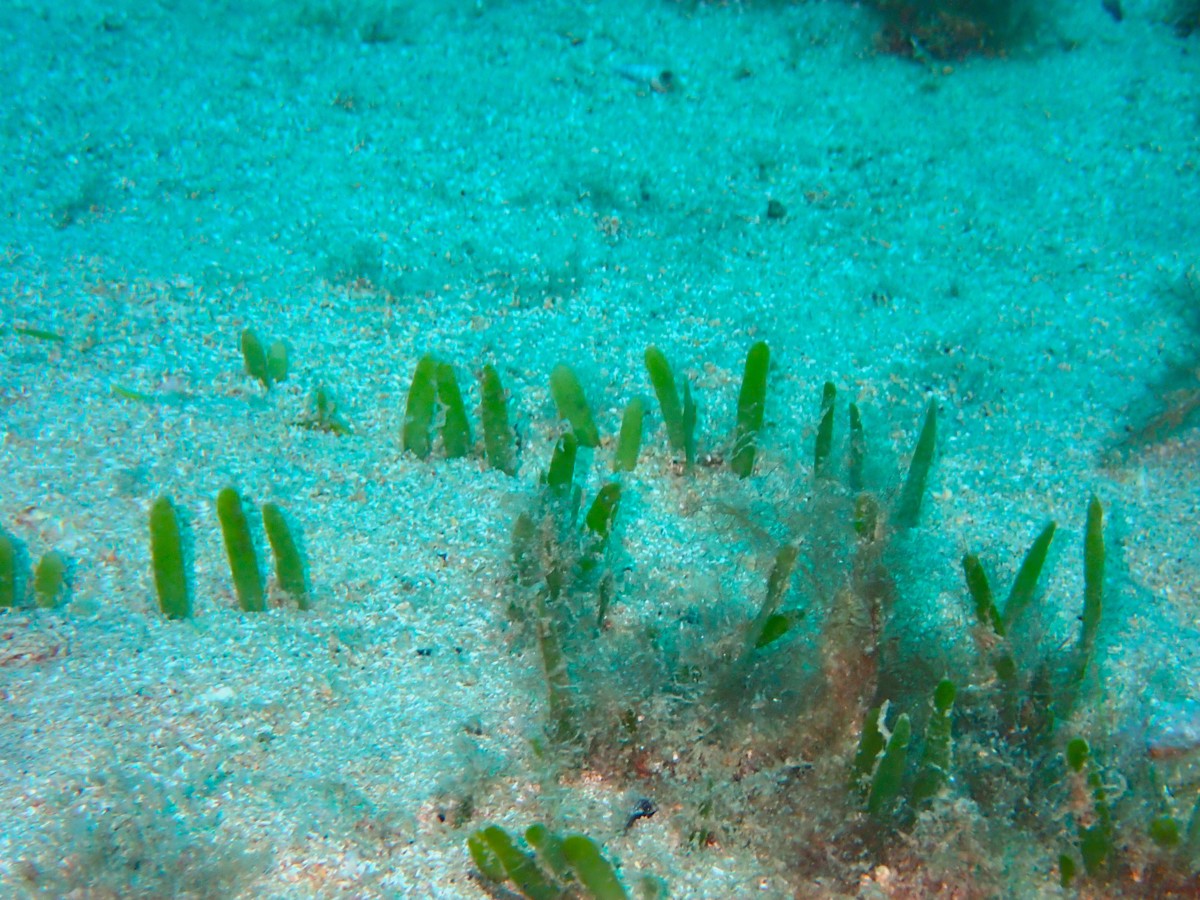
Exotic Caulerpa can spread rapidly and form dense underwater mats across the seafloor.
These infestations can compete with other species for space and upset the balance of local ecosystems, impacting recreational, cultural and commercial use of the marine environment.
Even very small fragments can establish new infestations if they are transported to another location.
Exotic Caulerpa can spread when small fragments become attached to anchors, chains, fishing equipment, dive gear, mooring lines and other marine equipment.
Human movement of contaminated equipment is considered one of the greatest risks for spreading exotic Caulerpa to new locations.
Checking and cleaning equipment before travelling helps reduce the risk of spread.
Follow the legal anchoring and fishing restrictions
A Controlled Area Notice (CAN) and rāhui are in place in Te Rāwhiti Inlet in the Bay of Islands to prevent the spread of exotic Caulerpa.
Legal restrictions on anchoring, fishing and diving are in place within the CAN area.
For more information, including coordinates and zone-specific rules, visit the Ministry for Primary Industries website.
See weed? Bag it. Bin it.
- Before moving to another location, check your anchor, chain and any equipment used in the water.
- Remove any seaweed you find.
- Place seaweed securely in a bag or container so it cannot return to the water.
- Take it ashore and dispose of it in a rubbish bin.
- Clean equipment before using it elsewhere.
If you think you have found exotic Caulerpa outside of the known areas:
- Take a photo of it.
- Record the location.
- Report it to MPI: Freephone: 0800 80 99 66 or complete the online form: report.mpi.govt.nz
Northland Regional Council, Biosecurity New Zealand, mana whenua, scientists and industry partners are working together to better understand and manage exotic Caulerpa.
This includes:
- Ongoing surveillance and monitoring of high-risk areas.
- Development and testing of new tools and technologies to detect, contain and remove exotic Caulerpa.
- Research into effective treatment and management methods.
- Public awareness programmes to help prevent the spread of the seaweed.
- Collaboration with marine users, local communities and hapū.
Tool and technology development
Northland has been at the forefront of developing innovative methods to manage exotic Caulerpa.
Working with government agencies, researchers and industry partners, NRC has supported the development and testing of specialist removal technologies designed to remove exotic Caulerpa from the seafloor and improve management options for larger infestations.
Research and development continue as agencies explore the most effective approaches for different environments and infestation sizes.
To learn more more about the development of tools and technology, visit the Ministry for Primary Industries website.
Monitoring and community
Surveillance and monitoring continue across Northland, focusing on both known infestation sites and areas considered at higher risk of spread.
Alongside this work, NRC and Biosecurity New Zealand provide information and education to boaties, fishers, divers and other marine users on how to identify exotic Caulerpa and reduce the risk of moving it to new locations.
If you think you have found exotic Caulerpa outside of the known areas:
- Take a photo of it.
- Record the location.
- Report it to MPI: Freephone: 0800 80 99 66 or complete the online form: report.mpi.govt.nz