


Australasian Bittern (matuku-hūrepo)
Matuku-hūrepo or native bittern (Australasian bittern) is a large wetland bird just one step away from extinction. It is classified as Threatened – Nationally Critical, with fewer than 1,000 individuals remaining nationwide, and possibly as few as 500 mature birds. Matuku-hūrepo are highly mobile, travelling 100’s km, it is believed in search of food, safety or mates.
Bittern were once seen in large flocks, but now they are rarely encountered, and when they are seen they most often appear as solitary birds. Their cryptic nature makes them difficult to monitor, but ongoing surveys in larger wetlands confirm that populations continue to decline.
Australasian bittern are globally endangered, the only other know populations are found in declining numbers in Australia. In New Zealand bittern are largely confined to areas where there are networks of healthy fresh to brackish water wetlands. Northland has some key habitat and remnant populations.
Bittern facts
- Critically endangered in NZ: Fewer than 1,000 birds remain nationwide.
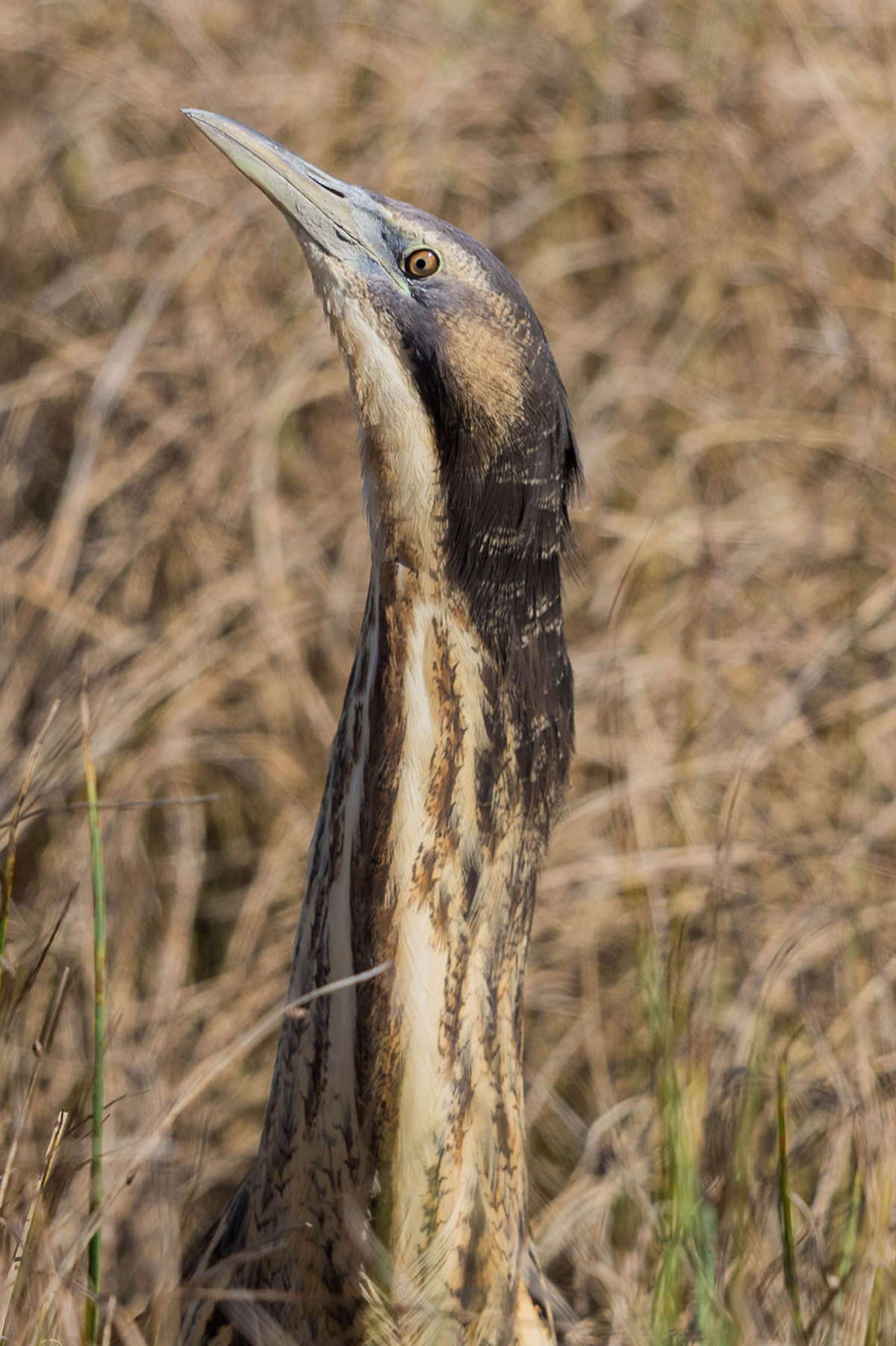
- Large in size and masters of camouflage: Up to 74cm in height. Their brown, streaky plumage and “freeze” posture help them blend into reeds.
- Famous booming call: Males produce a deep “boom” during breeding season to attract mates and defend territory.
- Wetland specialists: They depend on dense, healthy wetlands rich in fish, eels, frogs and insects.
- Rarely seen: Their secretive behaviour means most people hear them before they ever see them.
Key threats
The decline of the Australasian bittern is strongly linked to the loss and degradation of wetlands. Around New Zealand, large areas of wetlands have been drained, cleared or modified, reducing both habitat and food availability.
- Habitat loss and degradation – wetland drainage, water level changes, and poor water quality reduce feeding and breeding habitat.
- Predation – introduced mammals such as rats, stoats and cats’ prey on eggs and chicks.
- Disturbance – human activity, dogs and land use changes can disrupt nesting and feeding behaviour.
- Other pressures – starvation, vehicle strike and environmental change also contribute to declining survival rates.
Because they rely on healthy, functioning wetlands, bittern are considered an indicator species—their decline signals broader ecosystem degradation.
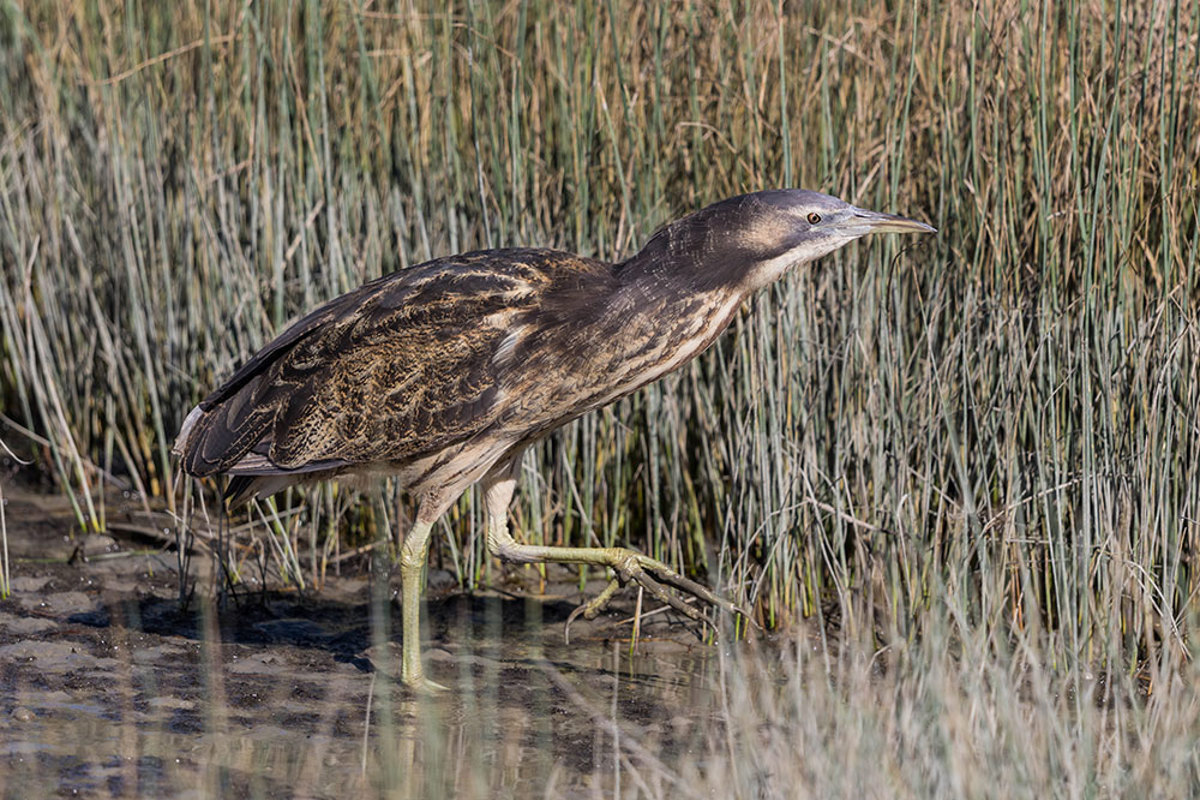 Australasian Bittern In Wetland (Photo Imogen Warren Photography)
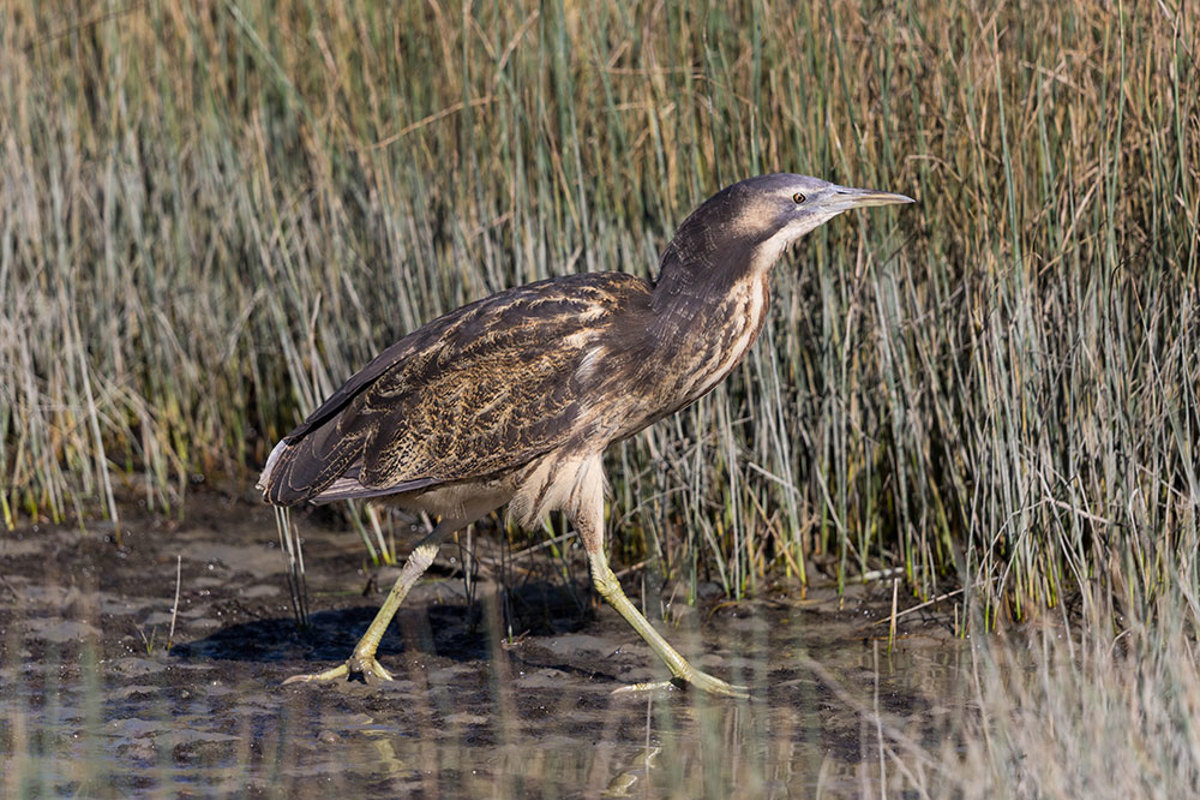 Australasian Bittern By Water (Photo Imogen Warren Photography)
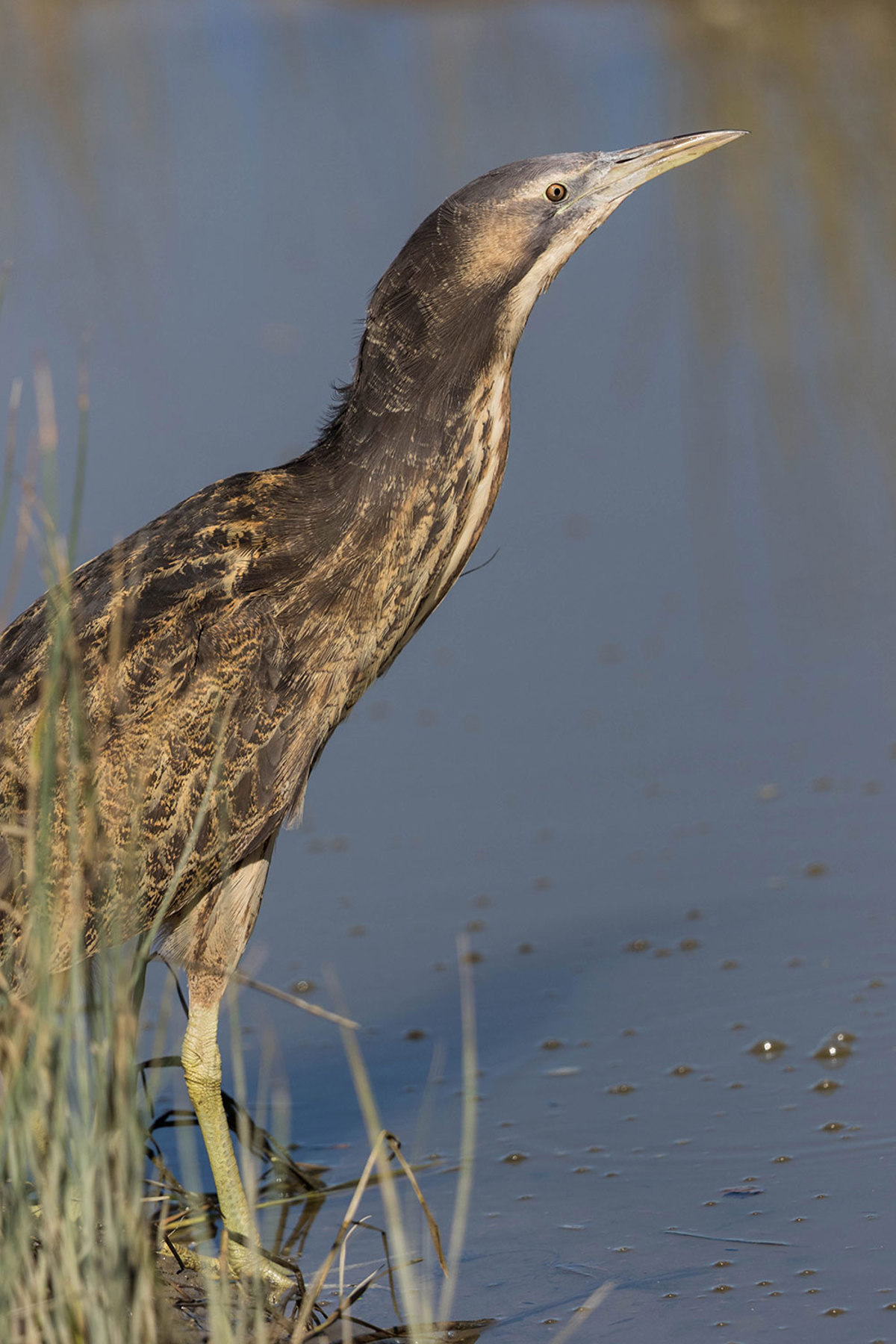 Australasian Bittern Freeze Stance (Photo Imogen Warren Photography)
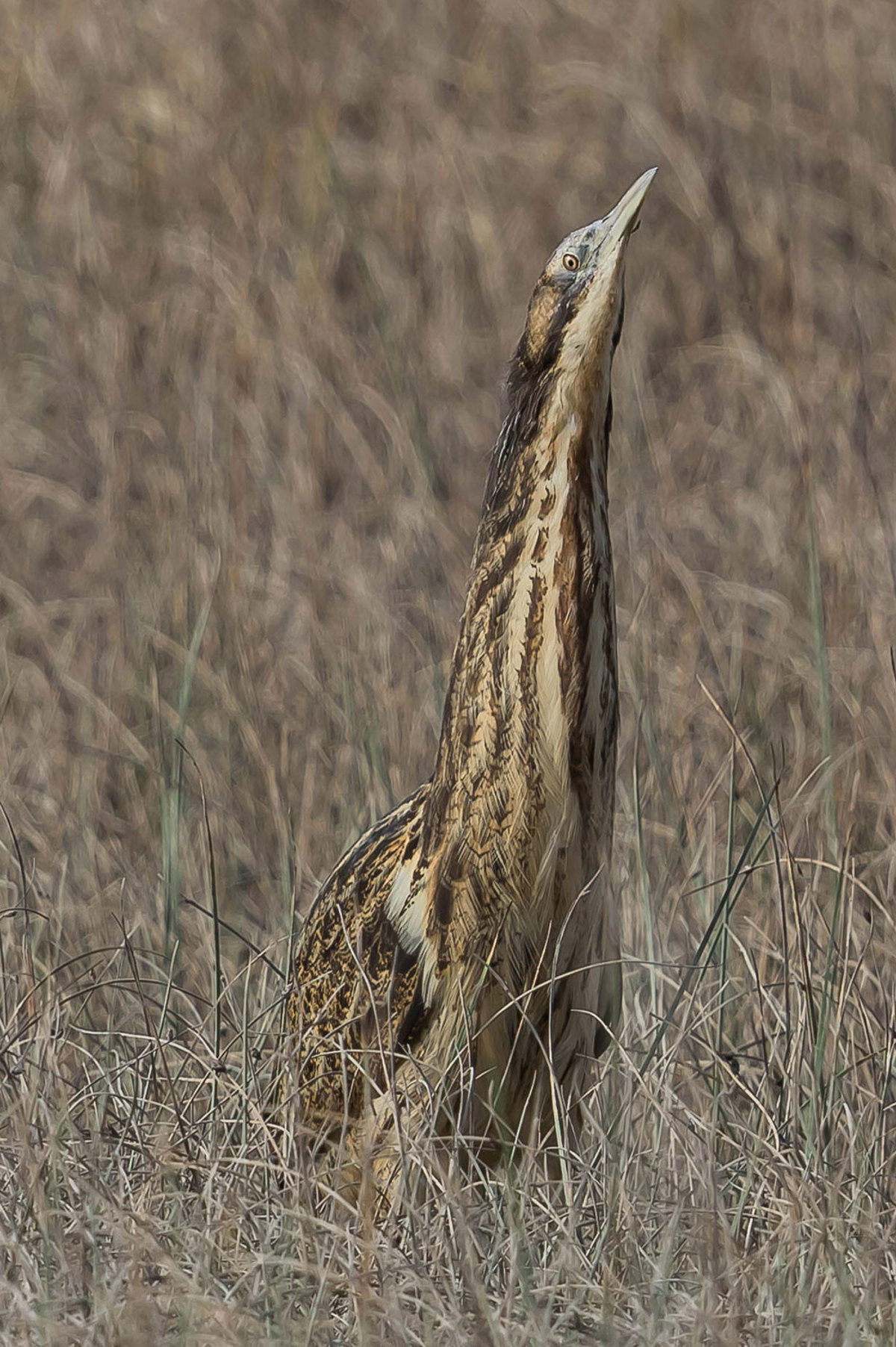 Australasian Bittern Freeze Closeup (Photo Imogen Warren Photography)
How you can help
Everyone can play a role in protecting matuku-hūrepo and the wetlands they depend on:
Protect wetlands
- Support wetland restoration and protection projects
- Avoid damaging or draining wetland areas
- Avoid entering wetlands, unless formed tracks are available.
Reduce disturbance
- Keep dogs under control and away from wetland edges
- Give wildlife space, especially during breeding season
- Avoid disturbing nesting birds
Control pests
- Set traps for stoats, feral cats and other predators around your property
- Trap outside of wetlands, create a wide buffer zone to draw predators away from wetlands
- Work with neighbours or community groups to increase impact
- For further information on effective pest control, visit our Pest Control Hub
Get involved
- Join local conservation or wetland restoration groups
- Take part in monitoring programmes such as The Great Matuku Muster
- Report sightings to help build knowledge of their distribution
Protecting the Australasian bittern means protecting our wetlands. By restoring these habitats and reducing threats, we can help ensure this iconic and elusive species continues to be part of Northland’s natural heritage.

If you see a bittern
Please contact the Northland Regional Council to report a sighting by completing the encounter form here, or below, or call us on 0800 002 004.
The NRC has statutory obligations to monitor and report on threatened species and to maintain indigenous biodiversity.
Data from reported sightings will help NRC and other agencies to understand the species presence in Te Taitokerau.
Your personal details will not be shared when you report a sighting. No data will be publicly available online.
(Hold tight, we're loading the form).